Amaranthus Hypochondriacus Flower Disease


It is inadvisable therefore to eat this plant if it is grown on land where chemical fertilizers are used.
Amaranthus Hypochondriacus Flower Disease. Amaranthus hypochondriacus is an ornamental plant commonly known as Prince-of-Wales feather or princes-feather. Renal disease also requires extended ingestion of Amaranthus spp. In Africa and El Salvador like many other species in the family Amaranthaceae it is valued as source of food.
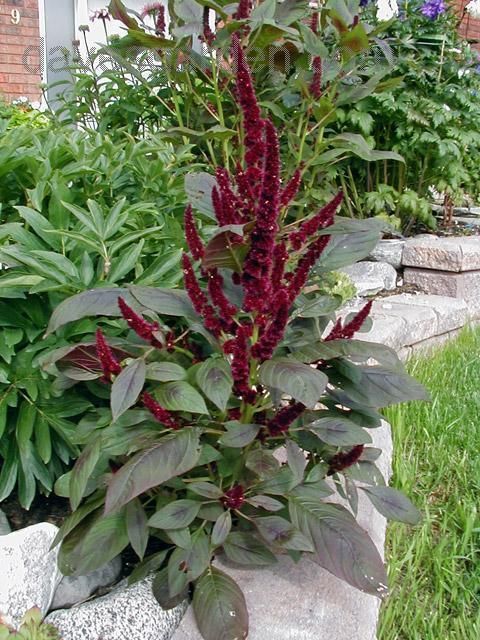
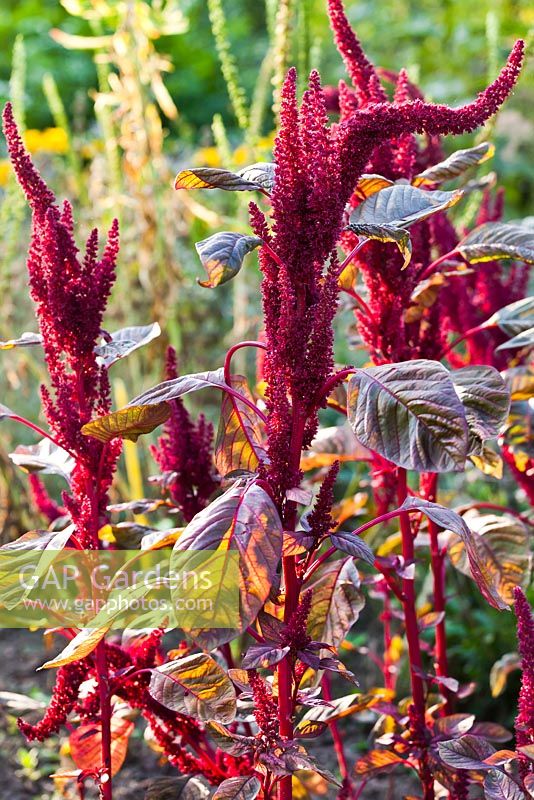
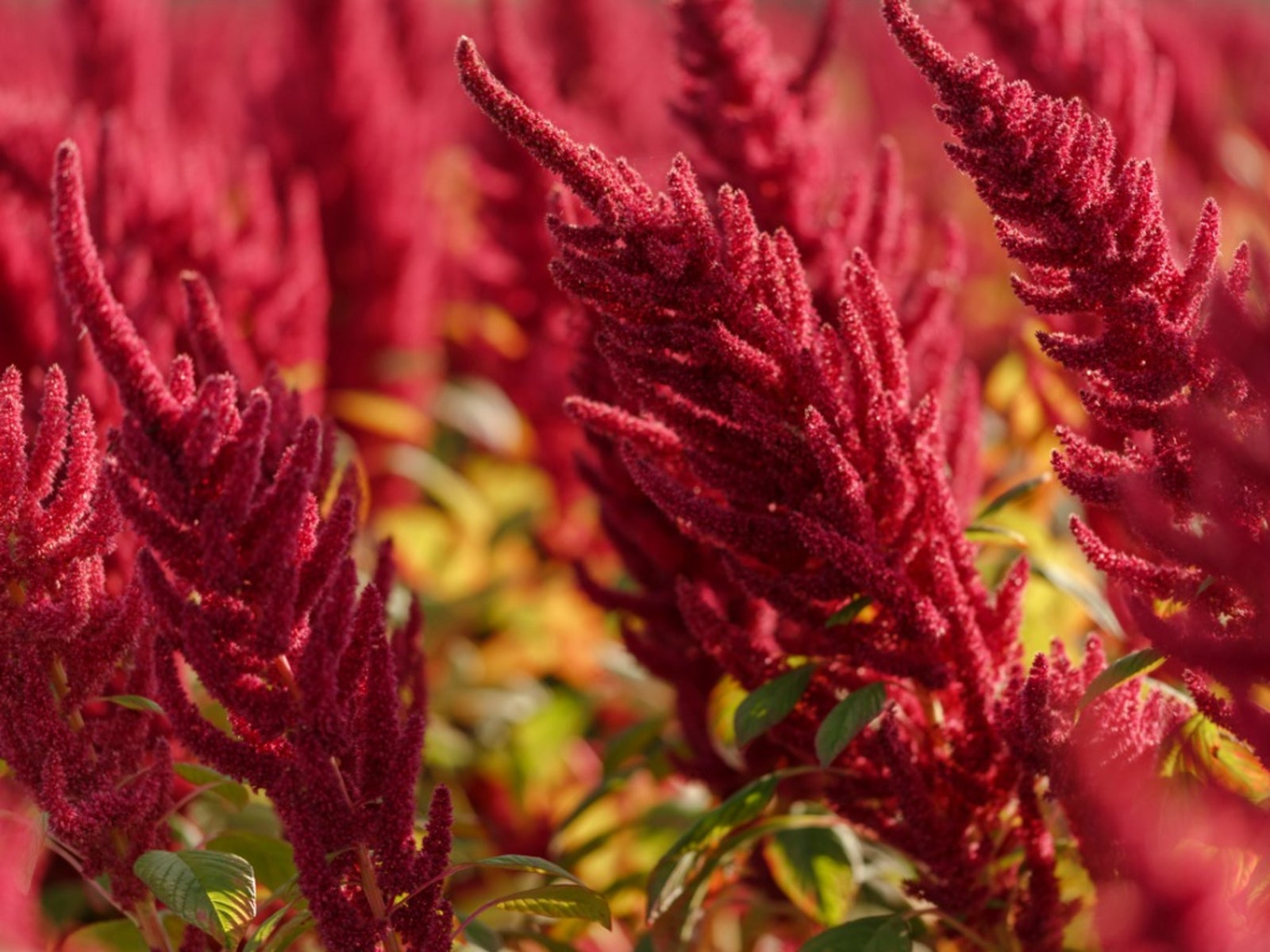
It is also found in tropical Africa eg. However in some varieties the tassels are shorter and more erect. The torch-like flower heads start with pink tinges and by the end of summer display cherry red markings as if the flowers were dipped in dye.
A similar blight disease of leaves and flowers caused by Alternaria amaranthi Peck has been reported on Amaranthus hypochondriacus in India. During a survey in February 2011 severe symptoms of upward leaf curling vein enation on lower side of the leaves and shortening of internodes were observed on 20 out of 117 Amaranthus hypochondriacus plants 17 disease incidence examined at breeding plots of CSIR-NBRI Lucknow. Leaves and flower plumes are a deep red color although some cultivars of this species have greener leaves with a red tint making it a great ornamental addition to your garden.
Burgundy amaranth is easy to grow and can be cultivated for microgreens edible leaves or grains. The seed oil and leaf are used as food. Species across the genus contain concentric rings of vascular bundles and fix carbon efficiently with a C4 photosynthetic pathway.
The flowers can simply be cut from the plant using a pair of scissors and set in a warm dry place to finish drying out. Harvest Grain amaranth varieties are usually ready to harvest after about three months. Renal disease also requires extended ingestion of Amaranthus spp.
Nitrates are implicated in stomach cancers blue babies and other health problems. Flowering amaranth plants can still have their leaves harvested to eat but you may find that the flavor changes after the amaranth plant flowers. Amaranthus caudatus This plant is commonly known as love-lies-bleeding because it has dark red hanging flower tassels up to 60cm 2 long.
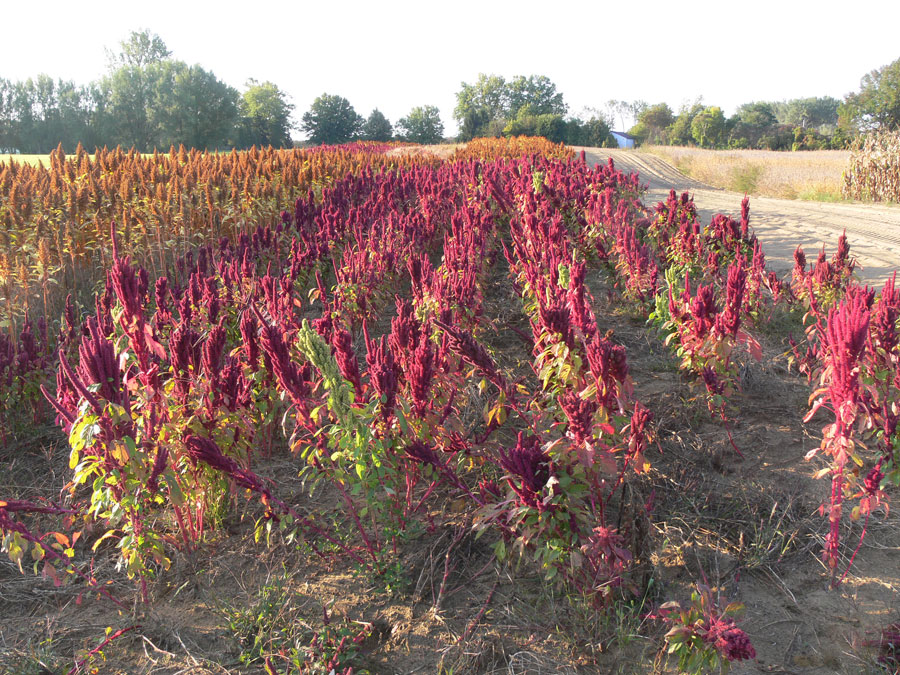
In July 2010 sporadic amaranth plants exhibiting symptoms of cladodes and spica proliferation were observed in a vegetable garden near Foshan Guangdong China. Genus Amaranthus can be upright or spreading annuals or short-lived perennials with simple leaves and tiny flowers borne in dense erect or pendulous catkin-like inflorescences in summer and autumn. Amaranth is an annual large and bushy plant usually about 90-130 cm high.
Amaranth is a plant. Other common names princes feather Green Thumb. You can even use it in floral arrangements.
White rust caused by Albiyo bliti in which white pustules on the underside of the leaves reduce the market appeal of vegetable amaranth is also common in South India. A similar blight disease of leaves and flowers caused by Alternaria amaranthi Peck has been reported on Amaranthus hypochondriacus in India. Amaranthus are not poisonous but when grown on nitrogen-rich soils they can concentrate nitrates in the leaves.
Are used as a vegetable 2. At this time cut all of the flowers off the. And poisoning clinically progresses over 12 days from weakness muscle tremors ataxia knuckling of pasterns to more severe recumbence paralysis hemorrhagic diarrhea hemorrhages coma and death.
And the cultivated Amaranthus cruentus L. Originally endemic to Mexico it is called quelite blero and quintonil in Spanish. When the flowers are dry seeds can be removed by brushing or by beating the flowers in a bag.
These symptoms are typical of begomovirus infection. Amaranth is used for ulcers diarrhea swelling of the mouth or throat and high. Serum chemistry changes include increases in potassium phosphorus BUN and creatinine.
Amaranthus hypochondriacus originates from North America possibly as a hybrid between the north American wild Amaranthus powellii SWats. It is also known as Amaranthus hypochondriacus Amaranthus frumentaceus Amaranto Chua Amaranthus leucocarpus Red Cockscomb Velvet Flower. Caudatus or grain amaranth comes from the Andes and was a favourite food crop for the Mayans and Aztecs.
In temperate regions it is cultivated as a half-hardy annual. And poisoning clinically progresses over 12 days from weakness muscle tremors ataxia knuckling of pasterns to more severe recumbence paralysis hemorrhagic diarrhea hemorrhages coma and death. White rust caused by Albiyo bliti in which white pustules on the underside of the leaves reduce the market appeal of vegetable amaranth is also common in South India.
The entire plant is used to make medicine. Amaranthus hypochondriacus is now widely cultivated worldwide in tropical subtropical and temperate climates but mainly as a grain and ornamental crop. Amaranth is a herbaceous plant or shrub that is either annual or perennial across the genus.
In China stems and leaves of Amaranthus hypochondriacus L. See this plant in the following landscape. Kenya but its exact distribution is unknown because of confusion with related species.
Flowers vary interspecifically from the presence of 3 or 5 tepals and stamens whereas a 7-porate pollen grain structure remains consistent across the family.