Artichoke Thistle Flower Crown




Thistle midribs prior to boiling.
Artichoke Thistle Flower Crown. It is a naturally occurring species that also has many cultivated forms including the globe artichoke. Perennial Planting The primary growing area for perennial artichokes in California is close to the coast. The cardoon is a member of the thistle family and is considered a weed in most areas it grows in as it is invasive.
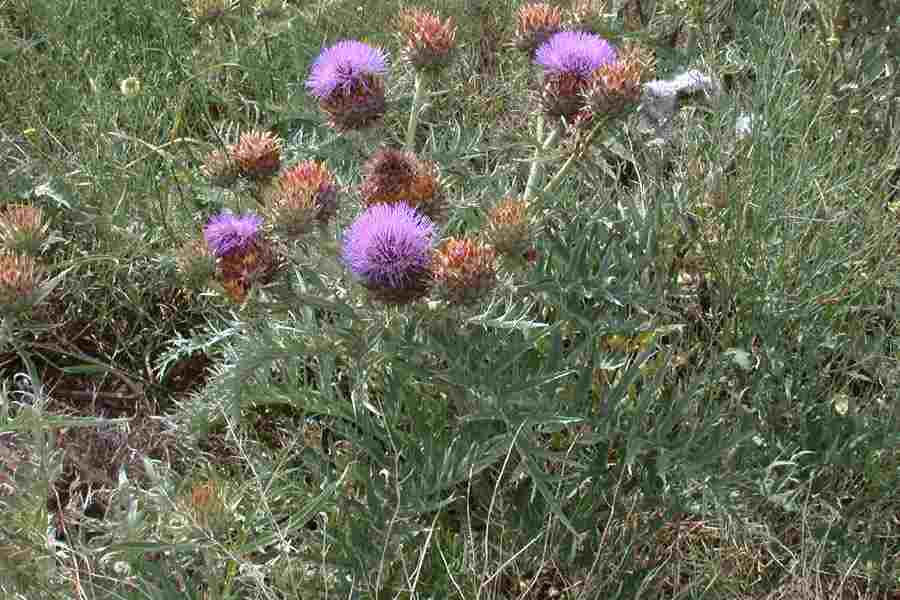
Artichoke thistle Cynara cardunculus is a spiny thistle of the sunflower family head high occasionally taller crowned by a cluster of showy bright purple thistle flowerheads that are two to three inches in diameter from April through July. They become large plants and should be spaced at least 4 feet apart6 feet is even better. All historically treated artichoke thistle sites are monitored at least once a year.
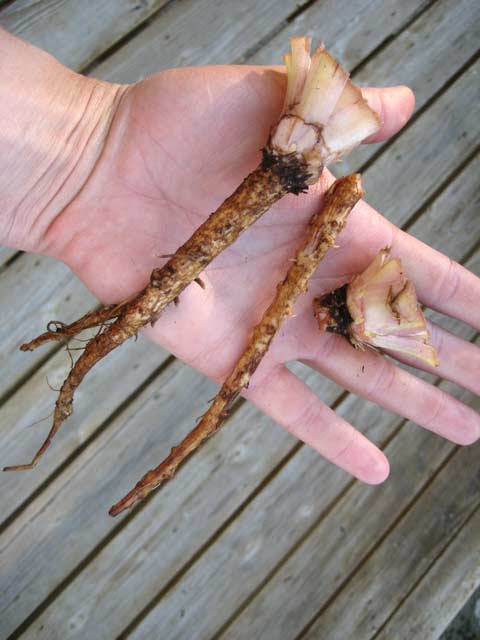
It tastes just like an artichoke Gregg exclaimed upon tasting it. Artichoke should be planted 3-4 weeks before the frost-free date for your area because it requires cool temperatures to initiate the flower stalk. I boiled the crowns along with the roots and when I cut into the biggest one it had a soft center.
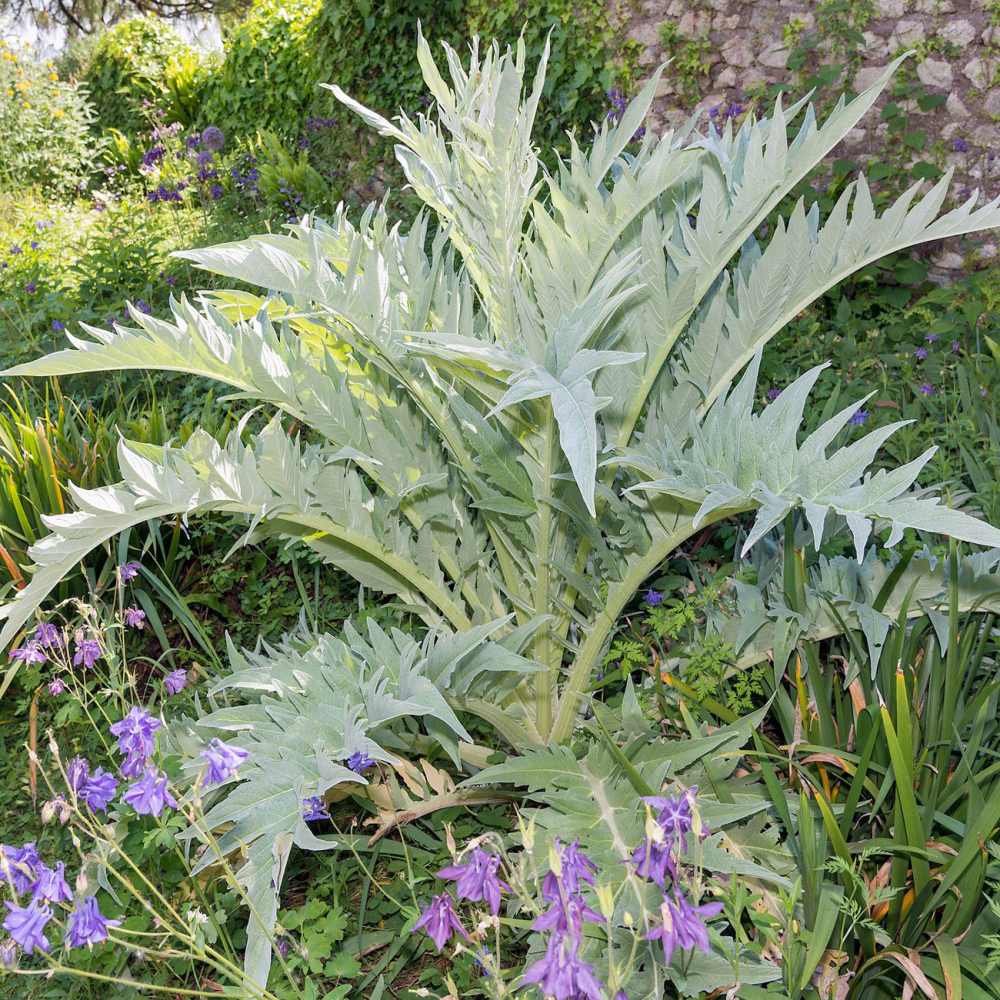
The biggest crown was about 1 x 15 inches and the smallest was significantly smaller. Artichokes are tender perennials that grow from 3 to 4 feet 9-12m tall and to 6 feet 18m across. The plant will send out shoots in the fall.
Because artichokes often take two years to flower they are typically sold as container plants in their second year or as established root crowns. How often is the site monitored. As a thistle the perennial power of an artichoke plant lies in its deep roots.
Artichoke plants need renewing every 4-5 years either divide from an existing plant or start fresh. Continued suppression of artichoke thistle in open space and rangeland in Contra Costa County. 5 out of 5 stars 2788 2788 reviews 3415.
The artichoke is an edible thistle flower bud that is eaten before it opens. The cardoon Cynara cardunculus also called the artichoke thistle is a thistle in the sunflower family. Artichoke thistle is a perennial herb that grows up to 2 m tall.
Artichoke is a perennial plant so once the harvest is done in June cut the plant back to soil level. Extremely hot summers can cause artichoke buds to open quickly into flowers. Mature plant stems are strongly ribbed covered in cottony down on the underneath and branched near the top.
It is native to the western and central Mediterranean region where it was domesticated in ancient times and still occurs as a wild plant. Globe artichoke Cynara cardunculus L belongs to a genus of thistle-like plants in the sunflower Asteraceae family and is cultivated for its flower buds. Greyish-green and sparsely hairy on the upper surface.
Good drainage is essential to prevent crown-rot. Artichoke thistle is a perennial herb. Only 1 available and its in 1 persons cart.
It is a large spiny perennial that grows to 25 meters tall. It looks a lot like the globe artichoke which it is related to. Perennial artichokes are propagated by division of the crown.
Its flower buds can be eaten as the artichokes are. Grow 1 or 2 plants per household member. Seedlings grow slowly through winter.
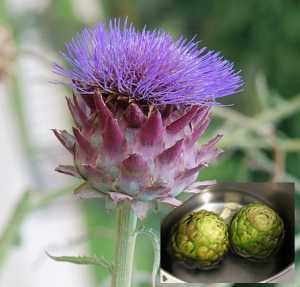
Water frequently after transplanting to ensure good root and shoot growth. Globe artichoke is usually referred to simply as artichoke and should not be confused with Jerusalem artichoke Helianthus tuberosus which is cultivated for its tuber. Cardunculus is from the Latin Carduusmeaning thistle and uncusmeaning curved or claw like referring to claw like bracts around the flower head.
Seeded artichoke varieties include Imperial Star Desert Globe Emerald Big Heart and Green Globe Improved. The thistle crown of my previous experiment was artichoke-like enough to please me immensely such that even though Thayer The Foragers Harvest 2006 says it is hardly worth ones time to peel the bristly bracts from the outside of a thistle flower bud well before flowering time and expose a tiny tender delicious artichoke-like heart I had to try it anyway. Plants have a rosette of grey-green leaves at the base which may die off over summer.
Our Artichoke Crowns In warm areas such as California treat as a perennial and leave for 67 years until they need to be divided. Cynara is from the Greek kinara for artichoke which is derived from kuon for dog or kynarafor dog rose or dog thorn and refers to the sharp bracts surrounding the flower head. They need it to produce tender buds.
Also assure that the tall leafy plants will not shade other beds. Generally only 1 stem develops from each crown but up to 8 may be produced. Set out artichoke crowns or root divisions in spring about 2 weeks before the last frost.
The Cardoon is often called the artichoke thistle. This will put the plant crown into a dormant stage during the summer. As properties become less infested the Department adds new acreage that has not previously been treated.
Plant 46 apart in rows 8 apart. The new shoots can be dug out to be replanted into a new location in the garden or left in place to produce another year. Some larger commercial com-panies have developed their own varieties.
Favorite Add to. To encourage strong roots use Gilmours Thumb Control Swivel Nozzle to water deeply between 1 to 3 times a week depending on the weather. Plant each crown or transplant 18 inches apart in the row with rows 2-3 feet apart.
Planting 6-8 weeks before putting out crowns or transplants dig your bed to about 2 feet mixing in compost lime and phosphate.