Corpse Flower Rafflesia Arnoldii Adaptations
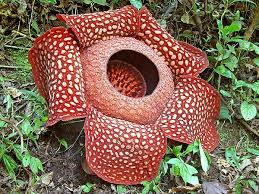


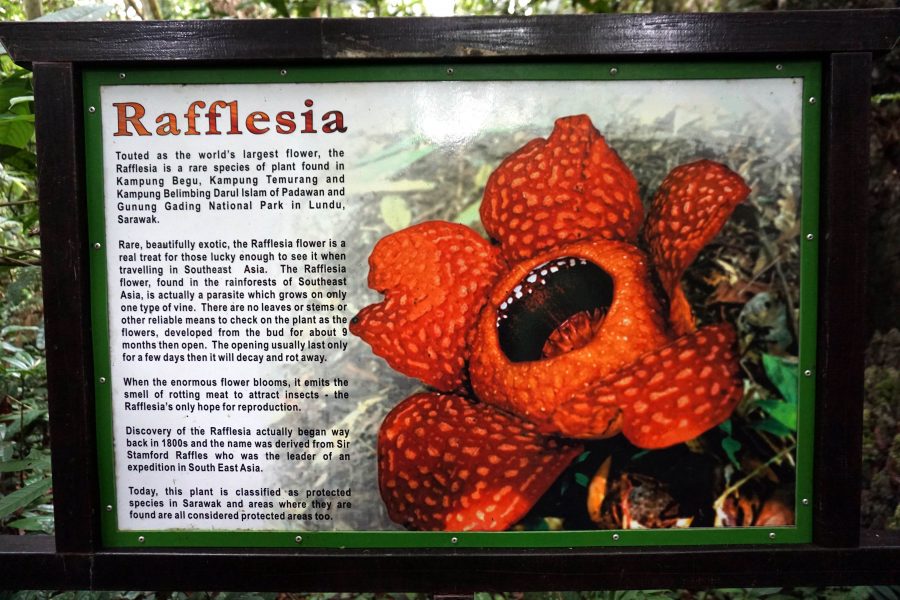
It is commonly referred to as the corpse flower due to its foul stench which is used to attract pollinators.
Corpse Flower Rafflesia Arnoldii Adaptations. The rafflesia produces the stench of rotting flesh to attract carrion flies for the pollination process. They do this to attract flies and keep away animals and also humans. Its second and most known fact is that it smells like a.
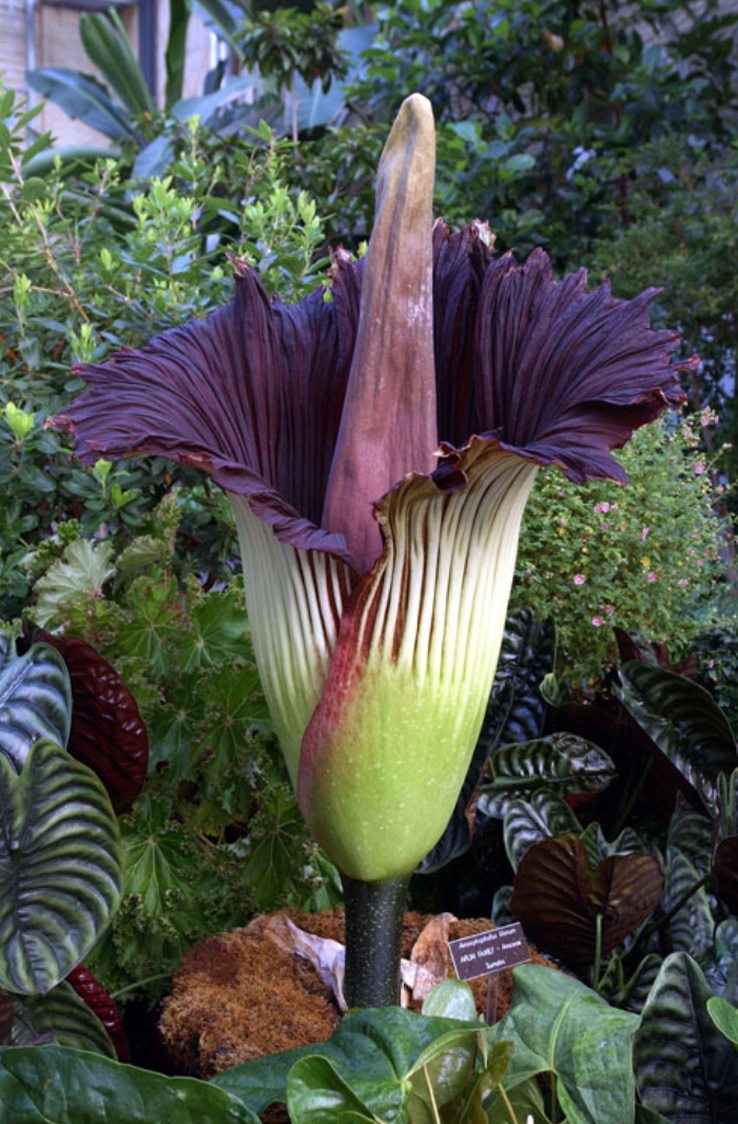
Although there are some plants with larger flowering organs like the titan arum Amorphophallus titanum and talipot palm Corypha. The Rafflesia is also known as the corpse flower or meat flower because it emits a very foul odor which attracts flies that pollinate it. These chemicals include sulfides isovaleric acid methyl thioacetate and trimethylamine.
It also takes a very long time to grow. Both plants appear due to town conditions. The rafflesia is classified as critically endangered considering it is only found in the rainforests of southeast Asia and is difficult to reproduce.
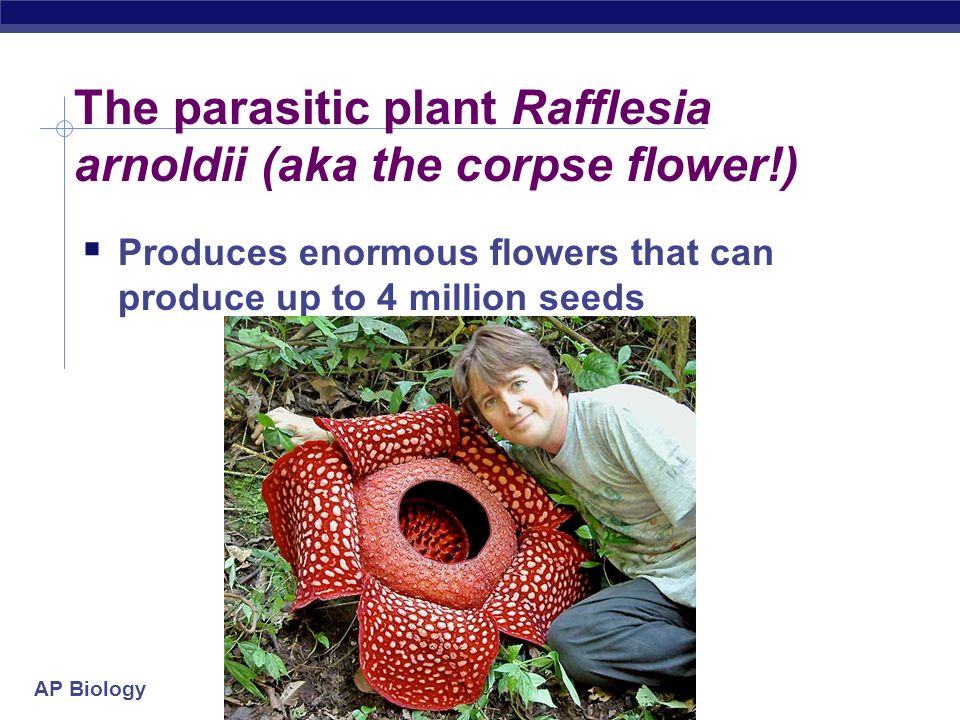
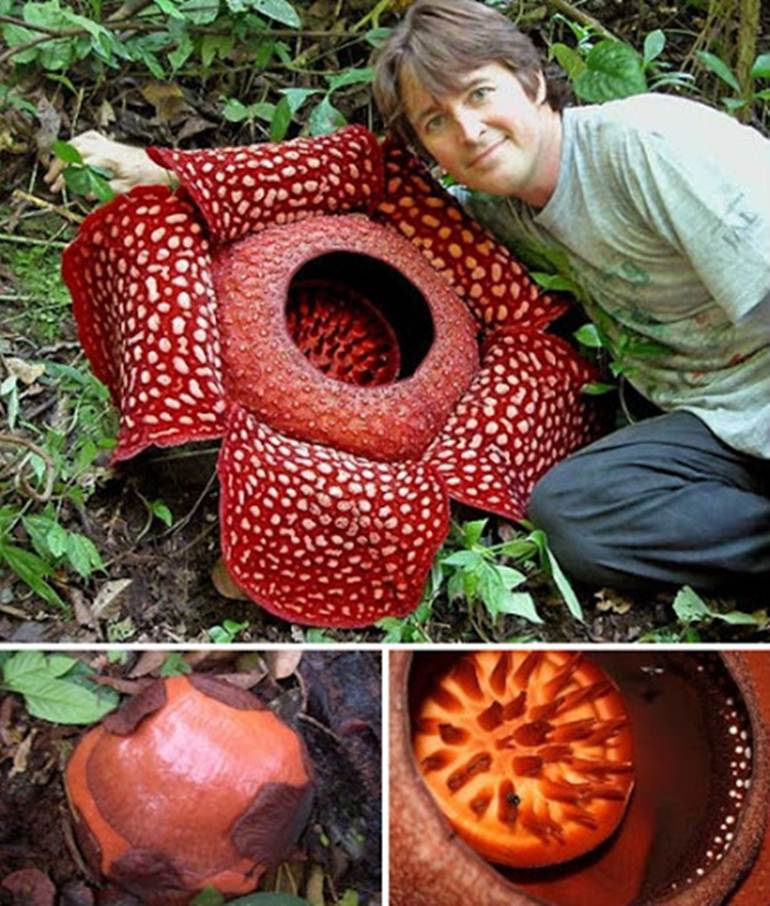
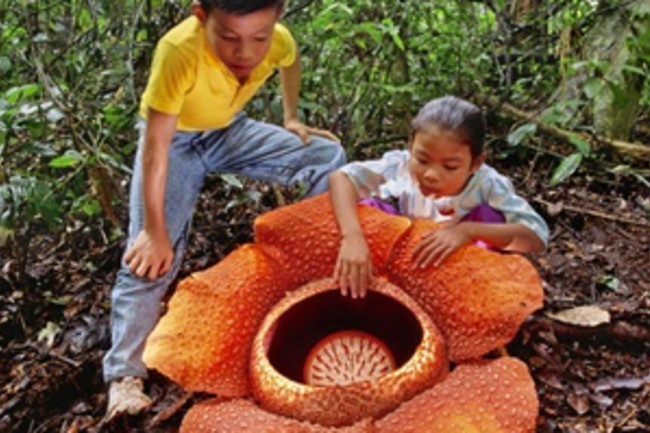
This adaptation is physical. Rafflesia Arnoldii Corpse Flower World Of Flowering Plants Unusual Flowers Stinky Flower Corpse Flower The plant has no stems leaves or roots. Its diameter can reach up to 90cm and its weight 10-11kg.
The Rafflesia Arnoldii has two amazing adaptations which are very important for its survival. There are several species in the genus rafflesia but the one covered here is called the rafflesia arnoldii and is the most common species of this flowering plant. In fact the corpse flower excretes over 30 chemicals to produce its unique scent.
The first is that it is the largest flower in the world. Rafflesia arnoldii common name is Corpse Flower. It takes nine months for the bud to turn into the flower but the flower only lasts 1020 days.
A rafflesia is the opposite of Jacobs Ladder. The flower is endemic to the rainforests of Borneo and Sumatra. Its second and most known fact is that it smells like a decaying corpse.
An overview of the worlds largest blooms. Once thought to be an adaptation for enabling early-bloomers to melt snow in temperate climates the ability to generate heat probably first evolved to help plants like Rafflesia and skunk cabbage volatilize the foul odors they produce to attract pollinators. It takes 27 hours for the flower to open.
The monster flower Rafflesia arnoldii and the titan arum Amorphophallus titanum. The Rafflesia Arnoldii has two amazing adaptations which are very important for its survival. Adaptation and Evolution This unique flowering plant is quite different than any other plant we are used to in both appearance and evolution.
One of the three national flowers of Indonesia the Rafflesia arnoldii can be up to a meter in diameter and weighs up to 12 kg Dubbed the corpse flower the large bloom reeks of rotting meatan adaptation it has developed to attract the flies that help pollinate the plant. Its second and most known fact is that it smells like a decaying corpse. It is native to Indonesia and it is endemic to the rainforests of Borneo and Sumatra.
Those flies spread the pollen from the flower. They do this to attract flies and keep away animals and also humans. To attract pollinators both produce a rotting-meat scent which has earned them the nickname corpse flower.
Rafflesia Arnoldii Corpse Flower. It is native to the rainforests of Sumatra and Borneo. A time laps of the worlds biggest flower opening the Rafflesia arnoldii in the Bukit Barisan National Park Sumatra.
Another adaptation would be that it attaches. Why does the corpse flower stink. The smell and the dark burgundy color of the corpse flower are meant to imitate a dead animal to attract these insects.
Top 20 Facts About Rafflesia Arnoldii The Biggest Flower in the world Rafflesia Arnoldii is the worlds largest heaviest rarest and one of the most stink. It has a strong and unpleasant odor of decaying flesh. Flowers can appear at any time though blooms tend to be slightly more frequent between November and January.
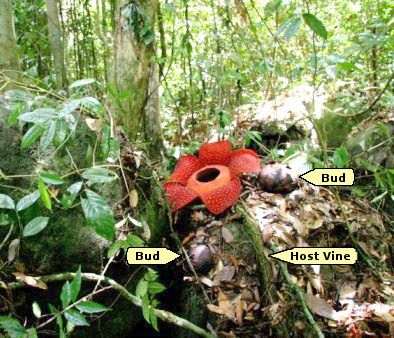
The heatwhich in skunk cabbages requires a metabolic rate akin to that seen in animals like mice or birdsalso creates a cozy microenvironment that allows visiting pollinators to operate at a lower metabolic cost. When ready to reproduce the Rafflesia generates maroon- or magenta-colored buds that develop over a period of a year into a large cabbage shaped size and finally blooms to form the gigantic flower. Rafflesia r ə ˈ f l iː z i ə-ˈ f l iː ʒ i ə r æ- is a genus of parasitic flowering plants in the family RafflesiaceaeThe species have enormous flowers the buds rising from the ground or directly from the lower stems of their host plants.
The fly collects the pollen from the male flower to a female flower to continue the pollination process. It has no leaf stem root and it is a nonphotosynthetic plant these plants live as parasites inside a host plant a woody vine related to grapes. One adaptation is that the Plant smells like rotting meat to attract flies.
One species has the largest flowers in the worldThe genus contains approximately 28 species including four incompletely characterized. Flies get attracted to the smell and help the flower re-pollinate. Rafflesia arnoldii is a parasitic plant without roots or leaves.
How is the Rafflesia flower adapted to its environment. Rafflesia arnoldii is a species of flowering plant noted for producing the largest individual flower on earth. It is noted for producing the largest individual flower on earth.
Its diameter can reach up to 90cm and its weight 10-11kg. This happens in pulses because a continuous stream would deplete too much energy. The foul rotten flesh-type of smell of the flower attracts carrion feeding flies like those belonging to the genera Lucilia and Sarcophaga.
These insects typically eat dead flesh.