Ginger Flower Adaptations

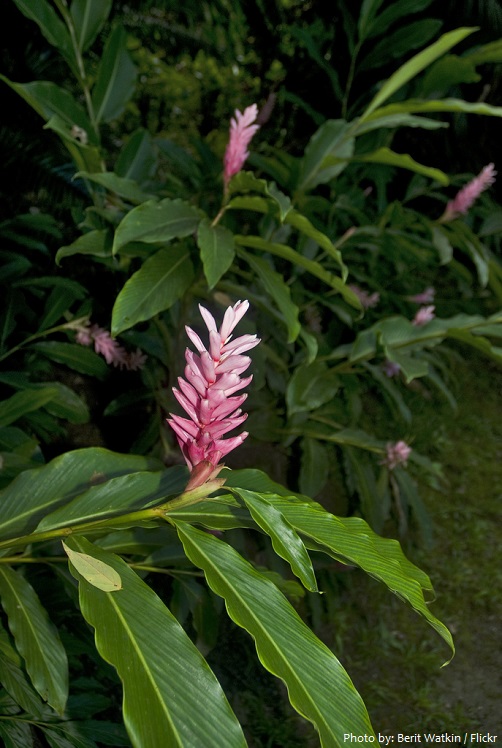


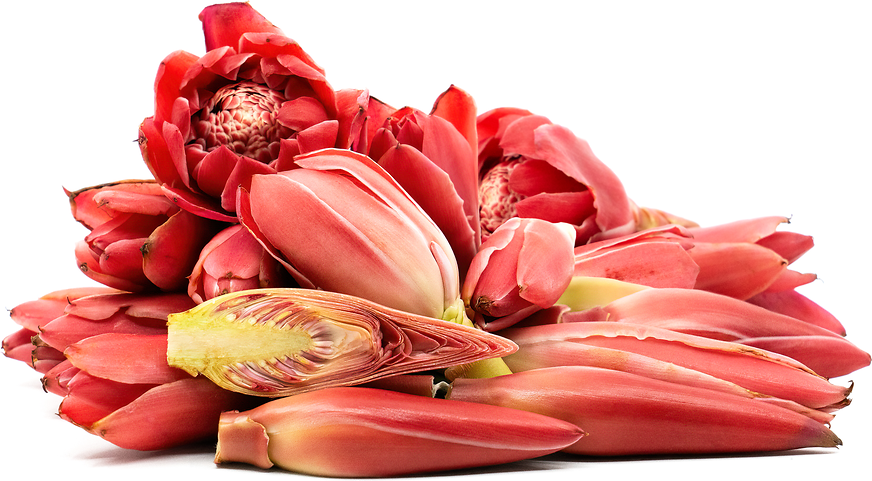
This grand ginger is tall and produces a big red flower spike.
Ginger Flower Adaptations. An 6 to 12. As seen in the photo the leaves of Canadian wild ginger are very large. The national flower of Samoa prefers warm and moist soil to thrive.
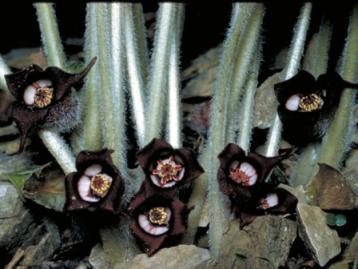
Leaves are shiny and green. The flower evolved to attract small pollinating flies that emerge from the ground early in the spring looking for a thawing carcass of an animal that did not survive the winter. Tropical ginger plants crave the high humidity and moist rich soil of their native habitat.
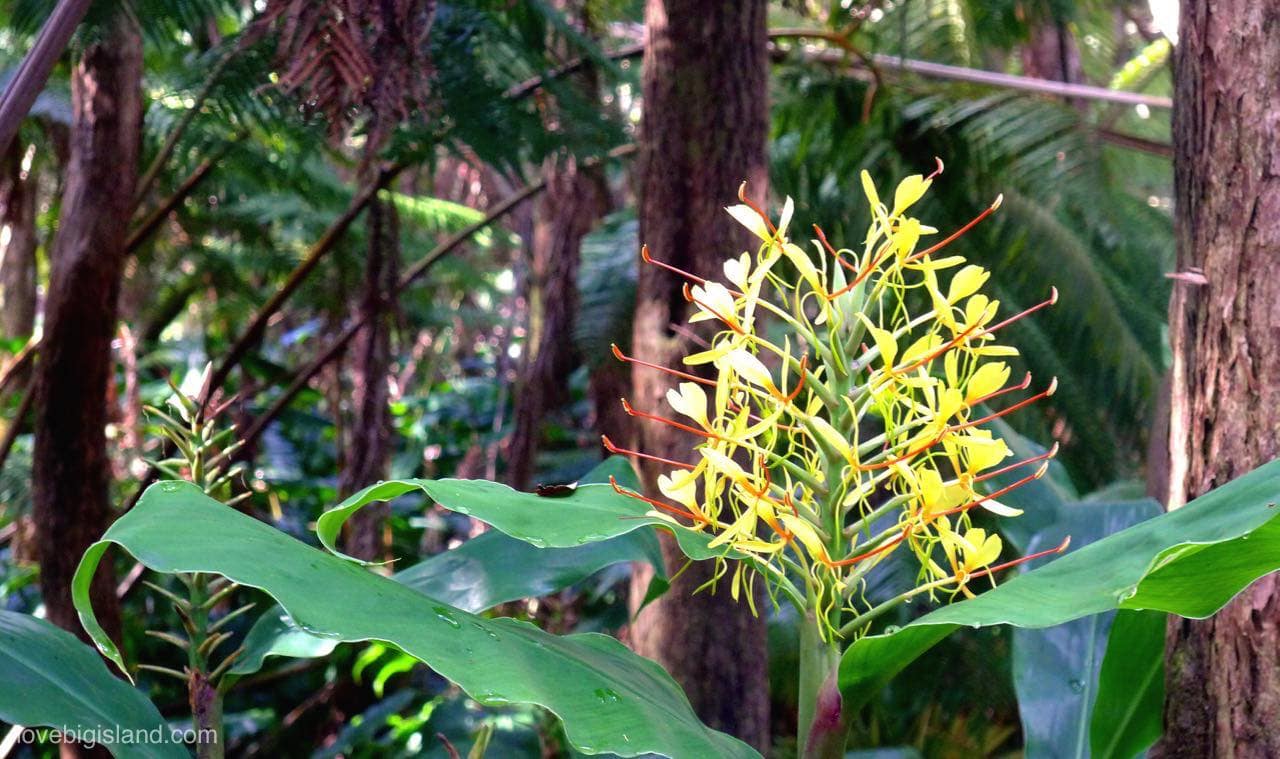
It is a perennial reed -like plant with annual leafy stems about a meter 3 to 4 feet tall. Ginger produces clusters of white and pink flower buds that bloom into yellow flowers. Torch ginger propagated via seed grows slowly.
The plants will bloom in most areas from July through November. Indoors is ideal because the conditions can be kept constant. Native to Malesia a biogeographical region incorporating Indo-malaysia and Australasia.
The small white flowers emerge from inside the bracts. The red spike is not actually the flower but it does provide the big show. Desert Adaptations Small leaves or spines on desert plants conserve water.
Huǒjù jiāng Indonesian tall ginger boca de dragón rose de porcelaine and porcelain rose is a species. Ginger is a perennial plant with relatively small leaves which allows them to adapt to a climate with high solar radiation. Asarum canadense has two main adaptations.
The flower of each individual plant is adapted to sit horizontally on the soil surface. Other information on Red Ginger. Thick waxy skin holds in water.
Red Ginger blooms year round and is used as a tropical cut flower. The small inconspicuous tubular white flowers emerge from between colorful floral bracts on terminal flower spikes. As mentioned previously ginger thrives in moist hot environments.
As a tropical plant ginger plants prefer temperatures above 50 degrees Fahrenheit. Use larger pieces if you need to save space. Soaking the ginger seeds overnight may speed germination.
It takes two or three years from the time of germination for torch ginger to flower. Chemical control can be effective but it must be carried out several times because of regrowth from the rhizomes. Young plant saplings in the rainforest often have red new leaves which reflect red light thereby protecting themselves against extreme sunlight.
Etlingera elatior also known as torch ginger ginger flower red ginger lily torch lily wild ginger combrang bunga kantan Philippine wax flower ගඩ ඕල goda olu ගඩ නලම goda nelum සදධරථ siddartha 火炬姜 pinyin. They bloom every summer and during winter or drought the plant will become inactive until the following summer. Sometimes called pine cone ginger beehive ginger plants may be afflicted with the usual pests such as.
These plants are used to shady environments and therefore can do well in spots that do not receive as much sun. Mechanical control is very difficult because the plant can resprout from parts of it rhizomes left in the ground and from rhizome fragments that are dropped. The smaller the leaves on a plant the better the plant can economize water.
After the leaves develop their photosynthetic machinery they turn green again and start performing their designated function. From amidst the leaves the plant produces a thick cane-like stalk that may be between 3 to 15 feet high. Red ginger produces shiny oblong leaves that are up to 12 inches in length.
Rhizomes and stalks of this plant have a strong spicy scent. Each piece of ginger requires 8 inches 20 cm of space. They will form a protective callus over the cut surface which reduces the risk of infection.
The flowers are occasionally followed by rounded seed capsules. Young plantlets emerge from the base of the old inflorescences and can take root if they touch the ground. Seeds are extremely small.
Roots near the soils surface soak up rain water quickly before it evaporates. This allows for easy pollination via insects such as ants beetles and flies. If flowering ginger plants get too dry they will cease to flower and may even become dormant.
Inside each red bract that makes up the spike is a small white flower. But what its famous for is the bright red or pink bracts that look stunning. Daves Garden has usefull information on how to grow Red Ginger.
The plant needs warmth and plenty of humidity. The color of the flower is similar to that of decomposing flesh. One with the flowers and the other with the leaves.
Because of its aesthetic appeal and the adaptation of the plant to warm climates it is often used as landscaping around subtropical homes. By lying next to the ground flower is readily found by the emerging flies. The wild ginger has a deep red inflorescence.
Keep the soil consistently moist. Torch ginger thrives in full to partial shade and like most Etlingera prefers disturbed areas. Ostrich Plumes Pink Cone Ginger Jungle king Teuila Flower and Tahitian ginger.