GoatS Beard Flower Origin


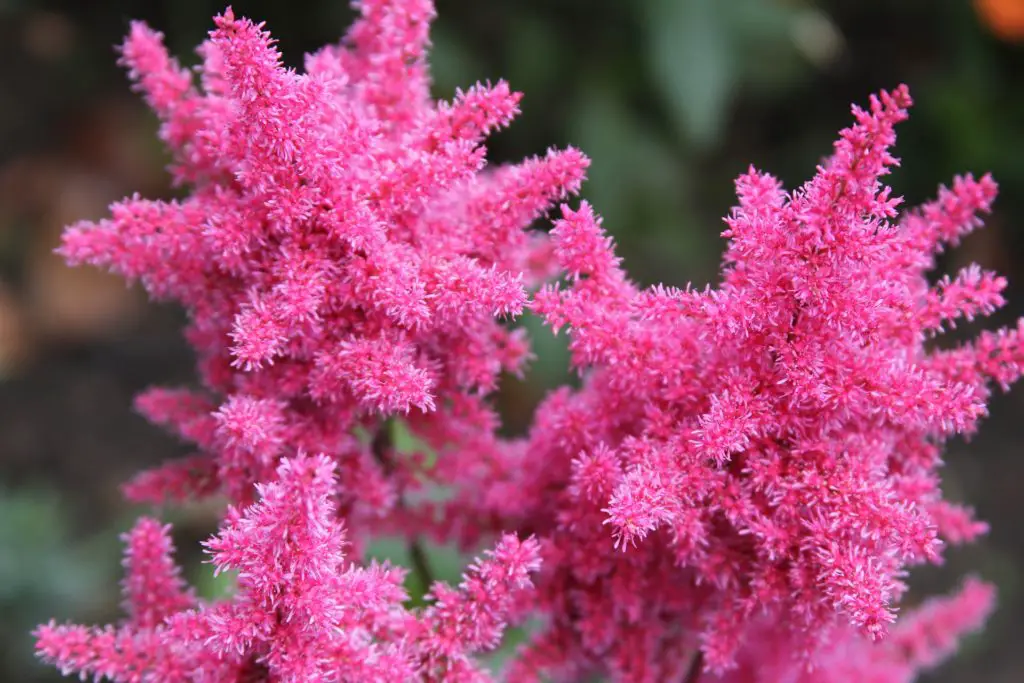
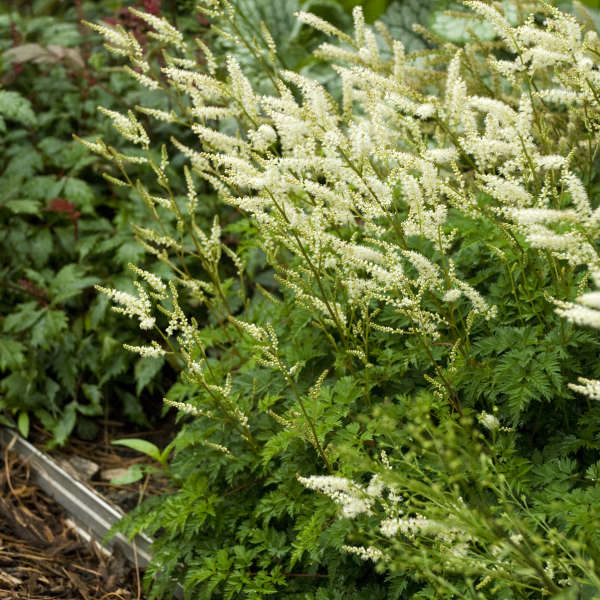
Its foliage adds a whimsical touch to the garden with its needle-like medium green leaves.
GoatS Beard Flower Origin. There is one species sometimes considered native to North America Tragopogon mirus but it is in fact a hybrid of two non-native species. False goats-beard is the only Astilbe native to North America and with its height of almost 6 feet it is more striking than many of its cultivated cousins. Aruncus dioicus commonly called goats beard is a Missouri native plant which occurs in moist woodlands and along bluffs in the central and southeast part of the State.
There are many landscape and pollinator uses for Goats beard. The flowers on the male plant are showier with numerous stamens per flower while the female flower has 3 stamens. Aruncus in the family Rosaceae Tragopogon in the family Asteraceae Astilbe some species of which are known as False Goats Beard.
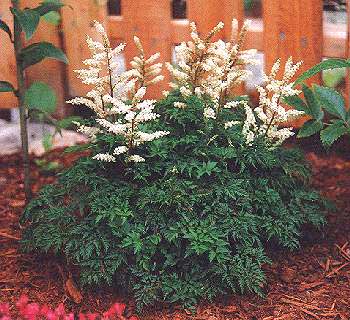
Deeply cut dark green leaves. This new Goatsbeard is an appropriate size for tucking into places in your shade garden. The genus name is derived from the Greek words a without and stilbe brightness in reference to the dull leaves of some species.
An outstanding specimen plant for the partially shaded garden. Goatsbeard also known as brides feathers is a perennial forb in the rose Rosaceae family. Meadow Goats Beard is very similar in appearance to Yellow Goats-beard Tragopogon dubius and found in similar habitats but is not as common in Minnesota as T.
Goatsbeard Aruncus dioicus Walter Fernald By Betty Charnon. The species name dubiuscan be translated as doubtful and may refer to the fact that due to. Though Aruncus tends to be a slow-grower the first couple of seasons once it is established it puts on a fabulous show year after year.
Although some of these astilbe species have a delightful and persistent aroma they are usually pest free. Tragopogoncomes from the Greek words tragos meaning goat and pogonmeaning beard. Some of the more common species of Tragopogon are known in the regions where they are most common by the common names goats beard goatsbeard salsify or common salsify without further qualification.
National distribution click map to enlarge. Dwarf form 10 to 12 inches high and 12 to 18 inches wide. Photo gallery descriptions of flower leaves and fruit flowering time habitats plant families size fragrance edible or poisonous.
Korean Goats Beard Aruncus aethusifolius. Goatsbeard or Goats beard is a common name for several plants and may refer to. The Spruce Autumn Wood How to Grow Goats Beard Goats beard is dioecious.
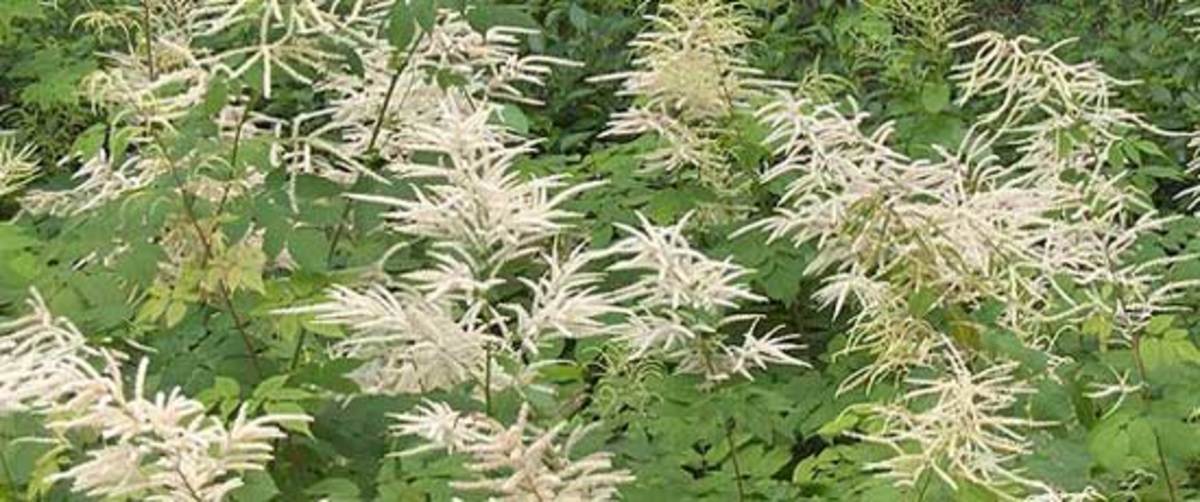
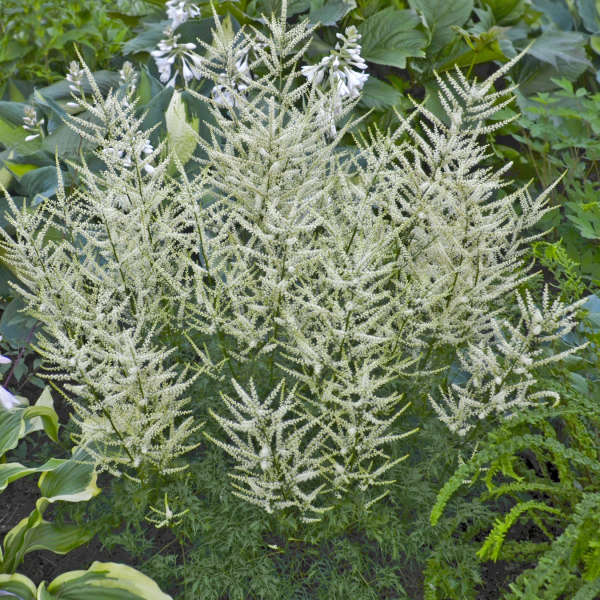
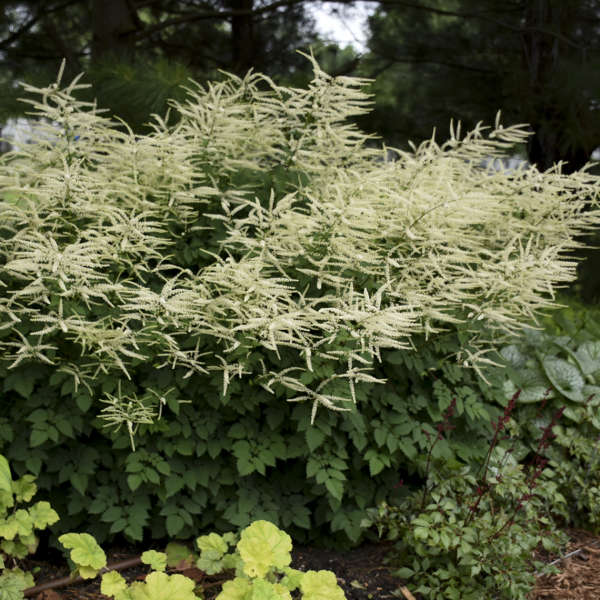
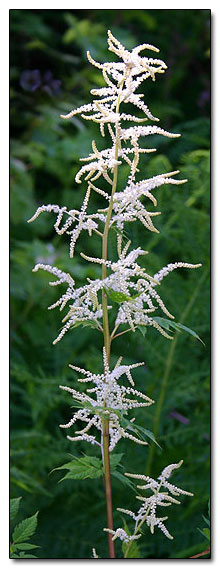
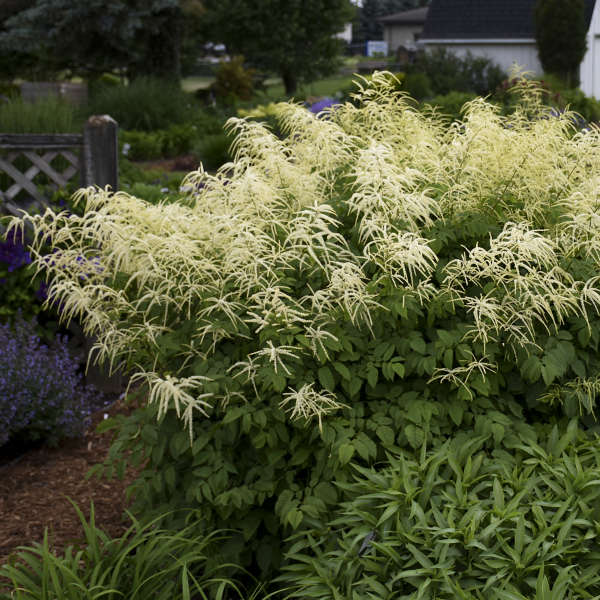
Looking much like a very large white Astilbe Goats Beard has similar foliage and feathery creamy white flower plumes up to 1 long. Compact dwarf form 3 to 4 feet high and wide. Asteraceae Aster Life cycle.
The common name False Goats Beard is given because the shape and color of the flower spray resemble a beard. MN county distribution click map to enlarge. A strikingly bold perennial wildflower with tall white feathery flower plumes and Large attractive fern-like leaves in the Saxifage family.
Goatsbeard is often listed as the only species of the genus Aruncus. Goats beard belongs to the rose family which also includes such landscape plants as rockspray cotoneaster Cotoneaster horizontalis Japanese spirea Spiraea japonica and flowering quince Chaenomeles speciosa. Make sure it has plenty of room to grow when you first plant it.
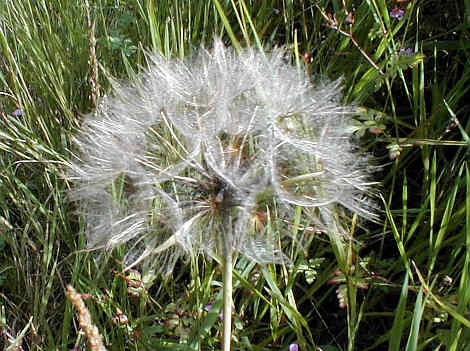
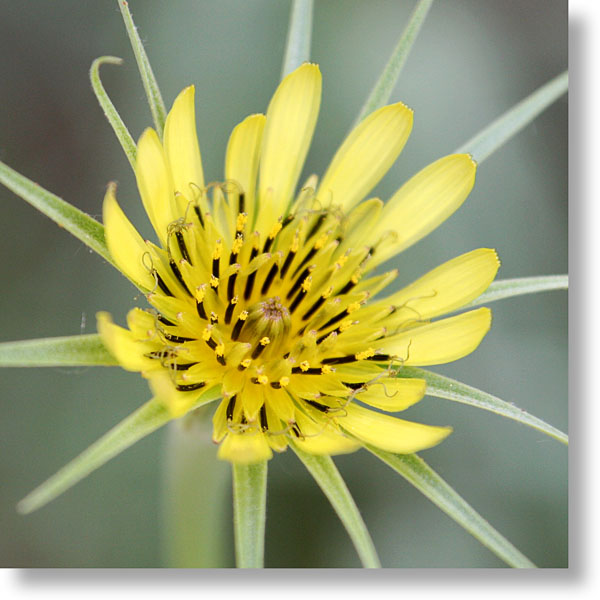
Pratensis can be distinguished by deeper yellow flowers the narrower stem just below the receptacle bracts not extending beyond the rays and the curling of leaf blade tips. A cross between A. This is in reference to the seed-head of the plant which will be shown later.
Fairy Hair produces sprays of creamy triangular flower plumes that age to a darker color. 1 to 3 feet. It is dioecious with separate male and female plants.
Goats beard plants originated in China and Japan and are known for their tremendous and easy growing qualities. The species dioicus is Greek meaning two households and refers to the male and female flowers on separate plants. Goats Beard is a native rhizomatous perennial in the rose family that is found in damp fertile woods and mountainous areas of eastern USA.
The goats beard which each morn abroad doth peep But shuts its flowers at noon and goes to sleep The name of the genus Tragopogon is formed from two Greek words having the same signification as the popular English name Goats Beard which is thought to have been suggested by the fluffy character of the seed-ball. The name Aruncus comes from the Greek aryngos goats beard referring to the feathery flower clusters. It is also known to grow in moist to wet ravines rocky ledges and avalanche chutes.
Transplanting this species is a very difficult task. In nature it can be found growing in cove forests seepage slopes and boulder field forests. Native to the northern hemisphere in North America Europe and Asia this plant generally grows in moist woods meadows and along streams.
A tall erect bushy clump-forming plant typically growing 4-6 high which features pinnately compound dark green foliage and showy plume-like spikes of tiny cream colored flowers which rise well above the foliage in early to mid summer creating a bold effect. Horatis Goats Beard Aruncus Horatis. Goatsbeard Aruncus dioicus also spelled goats beard also known as brides feathers herbaceous perennial plant of the rose family Rosaceae native to the north temperate zone.