Gyp Flower Zone



13B is the warmest zone which averages a minimum temperature of 70 degrees Fahrenheit.
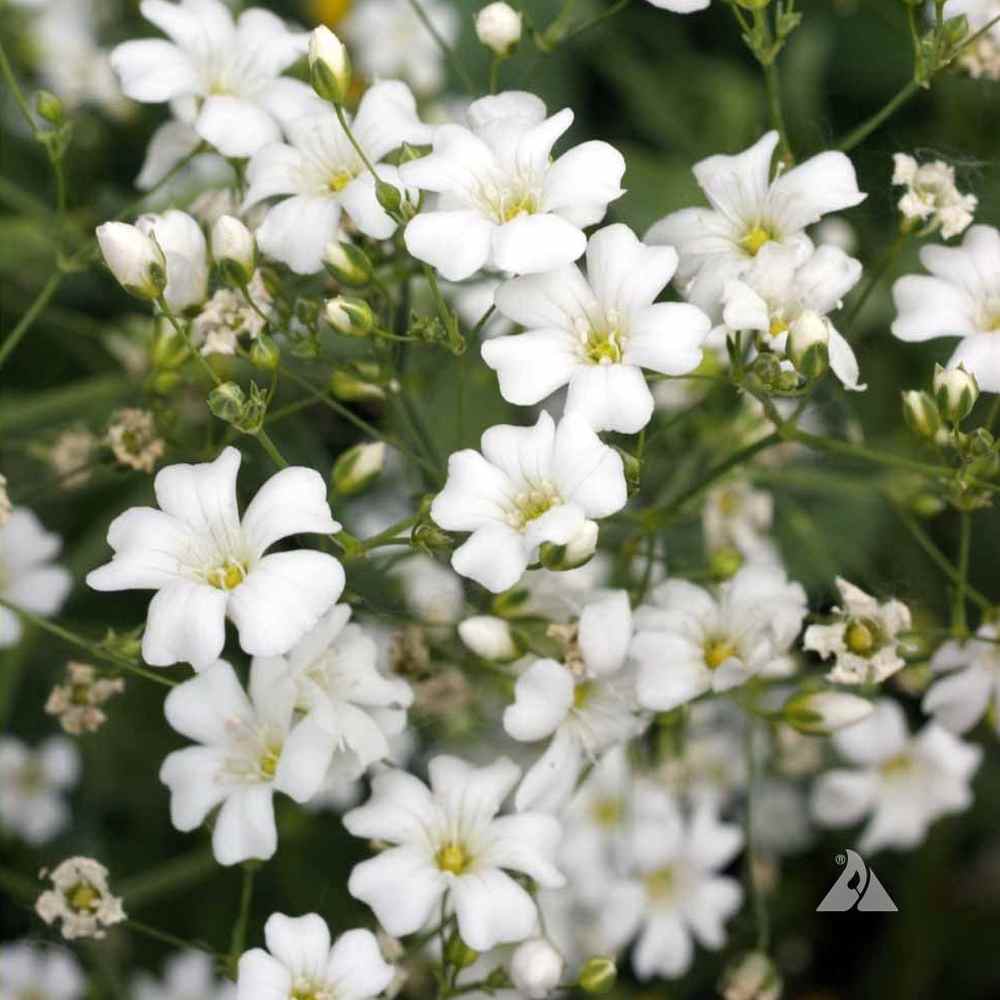
Gyp Flower Zone. Leaves sparse when plants are in bloom are typically blue green. Its name of Gypsophila comes from the fact that it grows well in calcium-rich soil that often contains gypsum. Stock is a biennial or tender perennial that is winter hardy to USDA Zones 7-10.
The zone stretches from south to west through Ohio Kansas and even parts of Arizona before turning Northwest and ending up in Washington State. Slender-stemmed much-branched plants are upright or spreading ranging from 3 inches to 4 feet tall. Gypsophila Paniculata originated in Europe Northern Africa and Northern Asia.
Fall Summer Flower Petals. Planting plants vegetables and flowers that are appropriate for your US growing zone will make sure that your garden is happy and healthy year after year. Alkaline soils are preferred add lime to acidic soils.
Plants generally decline by early to mid-summer once daytime summer temperatures in the 80s or higher become common. Plants tolerate some light shade. Harvest when 70-90 of the flowers in a spray are open.
Early spring and summer. Planting times for zone 6 begin in mid-March and continue through November. We specialise in all flower designs with Birthday Anniversary get well soon thank yousympathy bouquets and aqua.
851 likes 157 talking about this 9 were here. The flowers have orange petals with maroon spots and they point upward. And its name is often translated as lover of chalk for its preferred soil.
Good Cut Good Dried Long Bloom Season Long-lasting Flower Bloom Time. Based on the 1990 USDA Hardiness Zone Map this interactive version covers the state of California which ranges from USDA Zone 4b to USDA Zone 11a. Bloom profusely in summer covering themselves in clusters of tiny single or double flowers in white pink or rose.
Larger flowers and deeper blue color plus better heat tolerance than similar varieties plus the reddish-brown fall foliage make it a winner from Blooms of Bressingham. These flowers are native to China and are very popular thanks to their nodding eye-catching flowers. Louis it is grown as a cool weather annual in average to humusy consistently moist well-drained soils in full sun.
Below is the USDA planting zones map also known as the USDA Hardiness Zone map. Sow every three weeks from just before the last frost until mid-summer. In our Cut Flowers catalog you can find a wide collection of Gypsophila with many varieties to suit each climate zone and growing conditions to a global spread of farms and greenhouses.
RememberZone maps are not perfect and could be incorrect if you live in a micro-climate within a zone. 3a 3b 4a 4b 5b 5a 6a 6b 7a 7b 8a 8b 9b 9a. Prefers moist organic soils.
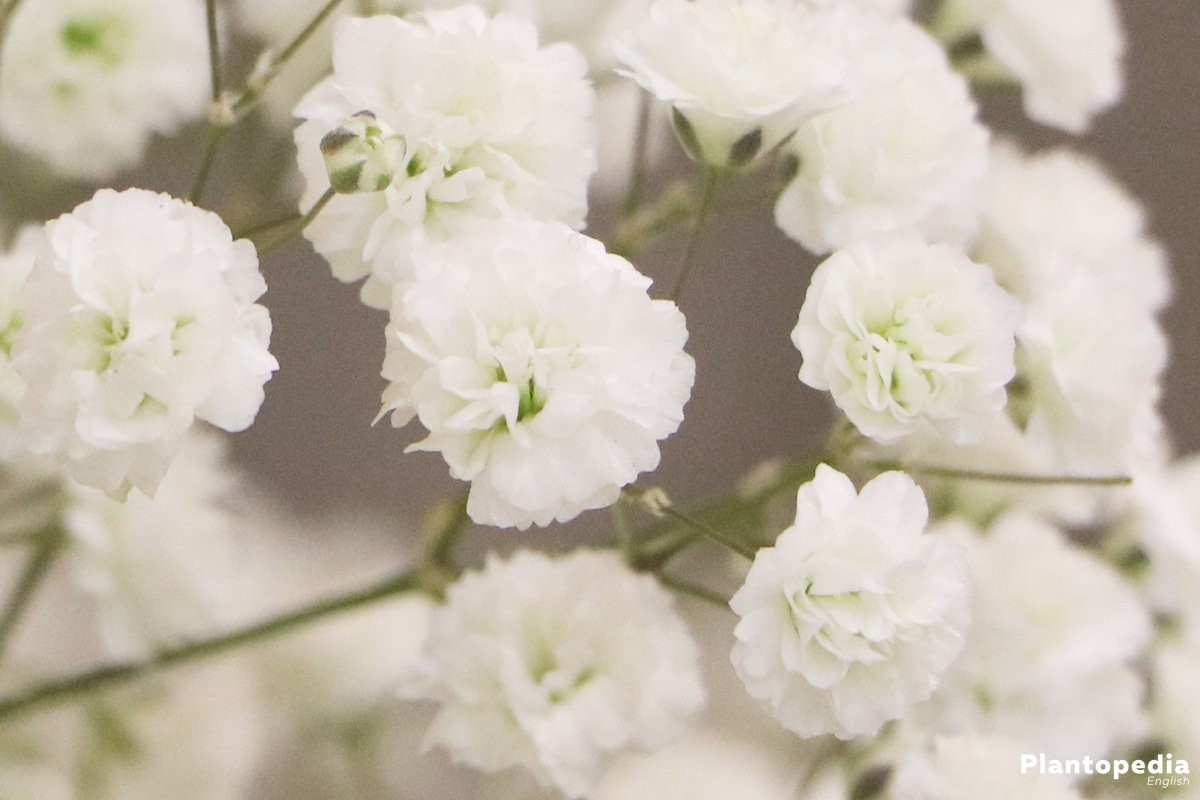
Available Space To Plant. Why select my growing zone. This new Gyp variety is known for its cushion style small white flower.
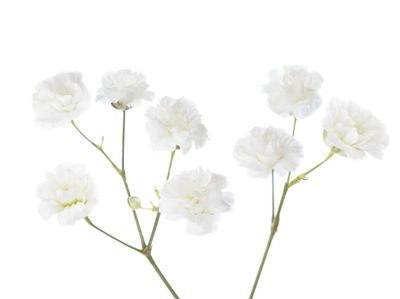
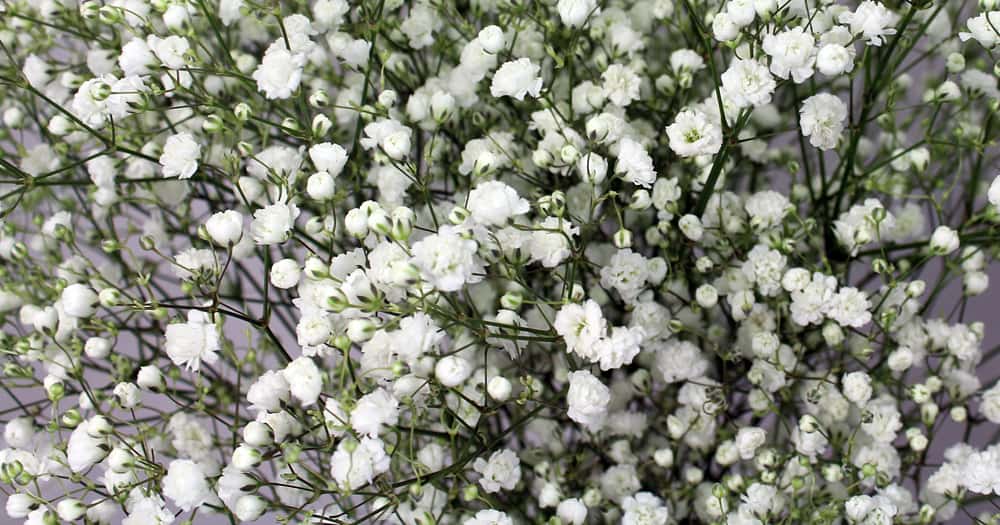
Also commonly referred to as gyp or babys breath this Gypsophila Excellence wholesale flower looks lovely on its own or used as a frothy backdrop and filler to other colorful fresh-cut blooms. Pink White Flower Value To Gardener. Coastal Mountains Piedmont USDA Plant Hardiness Zone.
Knowing your gardening zones for hardiness and heat can help you decide which plants to choose. Flowerzone Newcastle upon Tyne. 1990 USDA Hardiness Zone Maps for Neighboring States and Provinces.
A hardiness zone is a geographically defined area in which a specific category of plant life is capable of growing as defined by climatic conditions including its ability to withstand the minimum temperatures of the zone. Can be sheared to 3 to rejuvenate. Growing in decorative mounds up to 2-3 feet tall and wide 60-90 cm covered with myriads of long-lasting single or double flowers on plants with very small blue-green leaves they thrive in full sun and enjoy average dry well-drained soils.
USDA Plant Hardiness Zone Map The 2012 USDA Plant Hardiness Zone Map is the standard by which gardeners and growers can determine which plants are most likely to thrive at a location. Understanding the USDA planting zones you live in can mean the difference between success and failure in your garden. They can reach a maximum height of 8 feet and theyre loved by bees and butterflies.
12 inches-3 feet NC Region. Zones 2 to 10. However theyre toxic to cats.
Extra strong stem and great vase life. Gypshophila Million Clouds is a novelty 2017. Your geographic location will affect how successful your flowers or plants will grow in your gardening areas.
When deciding what to plant in each zone the plant must be able to thrive in a climate with such low temperature. 4-5 petalsrays Flower Size. Hardiness Zones for San Francisco California.