Lantana Growing Rate




In areas where treated as an annual plants can reach 3 to 4 feet tall and 1 to 3 feet wide in a single growing season.
Lantana Growing Rate. The Lantana Patio Plant will Bring Dynamic Color to your Patio for over Four Months. Growing lantana is a year-round proposition in Zone 10 with Zone 9 plants faring roughly the same. These verbena-like flowers have long since been admired for their extended bloom time.
Plan on adding lantana to your garden area well after the last expected frost in your region. The only time growth grinds to a halt in Zone 9 is when temperatures dip to 28F which kills plants to the ground. Lantanas generally grow rapidly.
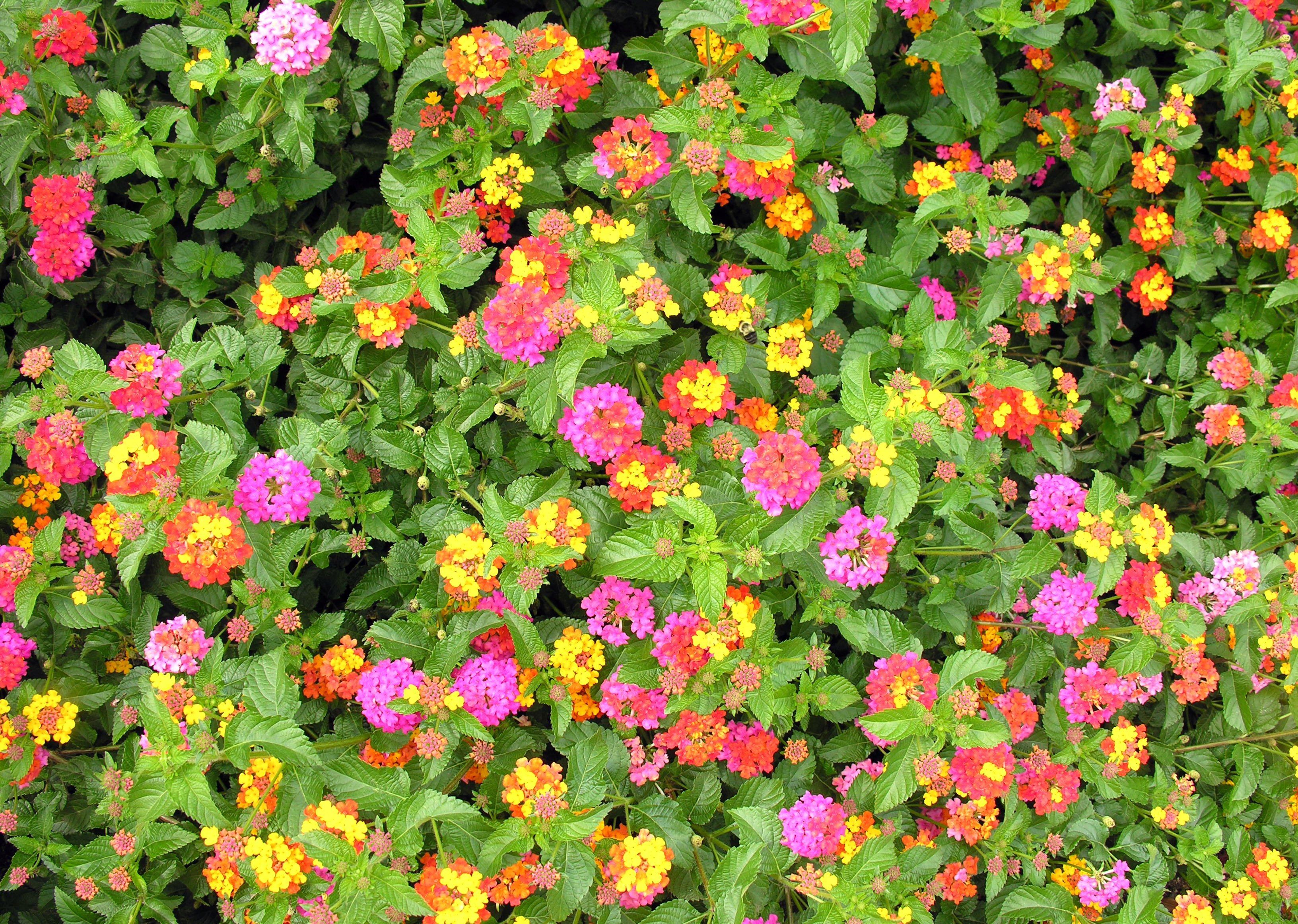
The growing and care of lantanas Lantana camara is easyThese verbena-like flowers have long since been admired for their extended bloom time. Lantanas are available in a rainbow of colors and more are being introduced all the timeVarieties may grow low to the ground as a plant or get a little taller like a shrub. Lantana is best propagated from transplants or from cuttings.
In this plant guide we will basically talk about the most common Lantana plant- Lantana camara. Lantanas are usually found all around the world but popular in tropical areas. If heavily mulched there the most robust types -- such as Miss Huff USDA zones 7 through 11 -- should re-sprout.
Some cultivars grow to as much as 5 to 6 feet tall forming large bushy mounds while others stay low and spreading reaching up to 4 feet wide but only 1 to 2 feet in height. There are also trailing varieties. Lantana Lantana camara also known as Yellow Sage or Jamaican Mountain Sage is an evergreen plantPerennial Lantanas grow in warmer zones and annual Lantanas prefer cooler ones.
Lantana is a city located in Florida. Some cultivars such as Miss Huff are extremely vigorous. The lantana plant is fine with humid weather and can even survive with salt spray.
In warm southern climates lantana can be considered a perennial or tropical shrub and can grow 10 feet tall. Department of Agriculture plant hardiness zones 9 to 11However the plant will die back to the ground in USDA zone 7 and often in USDA zone 8 as well. Depending on the region and type grown lantana plants can be treated as annuals or perennials.
The plant will thrive in temperatures 55 degrees Fahrenheit or more. There are several varieties available that offer a multitude of colors. The Lantana plant grows as a bush or shrub.
Start lantana seeds indoors six to eight weeks before you plan to transplant them outdoors. Roots remain alive though and send up shoots in spring. Phillip Watson shows the Cottage Farm Lantana Stages of Growth.
Fill small individual pots to within ½ inch 1 cm of the top with soilless seed starting medium and moisten the medium with water. However the plant is treated as an annual in most climates and still reaches almost 3 feet in one growing season. Because of the great focus on form line and proportion of pot to plant an upright growing lantana such as Lantana camara cultivars -- growing up to 6 feet tall with a 3-foot spread -- are.
Lantana The growing and care of lantanas Lantana camara is easy. Lantana Variations Cultivars. Transplants can be purchased at your local big name hardware stores as well as smaller specialty nurseries.
The overall size of lantana varies. Lay one or two seeds in the center of each pot and cover the seeds with 18 inch 3 mm of soil. Growing Lantana from Seeds.
There are several varieties available that offer a multitude of colors. Depending on the region and type grown lantana plants can be treated as annuals or perennials. Lantana can reach 2 to 6 feet tall and 3 to 10 feet wide when grown as a perennial.
The use of a rooting hormone may increase your success rate but I have not found it to be necessary. Lantana roots very easily in summer so now is a good time to give this a try. Soak the seeds for 24 hours in warm water to soften the seed coat.
Lantana Lantana spp may remain evergreen and bloom year-round in frost-free or virtually frost-free climates such as US. Lantana plants may survive in a light frost but if the temperature dips below 28 degrees Fahrenheit or stays cold for a long time the plant will die. Ruthlessly cutting back the entire top growth to six or seven inches will reward you with a brand-new well-shaped plant for summer with an abundance of the new wood on which the lantana produces flowers.
Northern gardeners typically grow lantana as a seasonal annual. Lantana plants are hardy ornamental bushes or plants which bore tiny clusters of multicoloured flowers. Some cultivars are more compact.